

How to Build a Successful Choral Program: A Step-by-Step Guide for Middle & High School Choir Directors
Building a successful choral program isn’t about luck, talent, or “getting the right kids.”
It’s about structure.
Whether you teach a traditional choir, a “y’all come” ensemble, contemporary a cappella, vocal jazz, or show choir, strong programs follow the same developmental sequence. And yes—this includes the musical skills many directors assume are “natural,” like matching pitch or singing with a consistent tone.
Those are not gifts. They are skills.
And skills can be taught.
Step 1: Create a Clear Vision for Your Choral Program
Every thriving choir program begins with clarity.
Without a clear vision, directors default to reacting:
-
Reacting to behavior
-
Reacting to repertoire struggles
-
Reacting to parent expectations
-
Reacting to administrative pressure
A vision replaces reaction with direction.
Step 2: Establish Strong Classroom Culture and Rehearsal Flow
Many directors try to fix musical problems before fixing cultural ones.
This is backwards.
You cannot build tone, blend, literacy, or confidence in a room without structure.
Culture Is Built Through Systems, Not Hope
Strong choir classroom management is not about being strict or relaxed. It’s about predictability.
Students should know:
-
What happens when the bell rings
-
How warm-ups begin
-
What “engaged” looks like
-
How transitions work
-
What dismissal looks like
-
What happens when expectations are not met
When expectations are consistent, anxiety decreases.
When anxiety decreases, focus increases.
When focus increases, flow improves.
And flow creates buy-in.
If rehearsal feels organized and purposeful, students feel like they’re part of something real.
Step 3: Teach Vocal Technique and Music Literacy as Trainable Skills
Once rehearsal culture stabilizes, musical growth accelerates.
Many programs overemphasize repertoire and underemphasize independent musicianship. But repertoire rehearsals are application. Technique and literacy are infrastructure.
Here’s the key belief shift:
Every Student Can Learn These Skills
Matching pitch is teachable.
Consistent tone is teachable.
Aural training is teachable.
Music literacy is teachable.
None of these skills require “natural talent.” They require sequencing, feedback, and repetition.
When students struggle with pitch, for example, it does not mean they are “non-singers.” It usually means they have not been taught:
-
how to hear and reproduce a pitch
-
how to coordinate voice and ear
-
how to control the vocal mechanism
-
how to attempt and adjust quickly
With the right approach, any student can make progress—and many can improve faster than you think.
What Independent Musicianship Looks Like
A successful program systematically teaches students to:
-
match pitch without guessing
-
sustain a consistent tone without constant modeling
-
shape vowels intentionally for clarity and blend
-
read simple rhythms with confidence
-
track musical patterns (intervals, steps, skips)
-
improve accuracy through repetition and feedback
When these skills improve, something powerful happens:
Students begin to experience growth they can feel.
And growth creates motivation.
Capability builds confidence.
Confidence builds commitment.
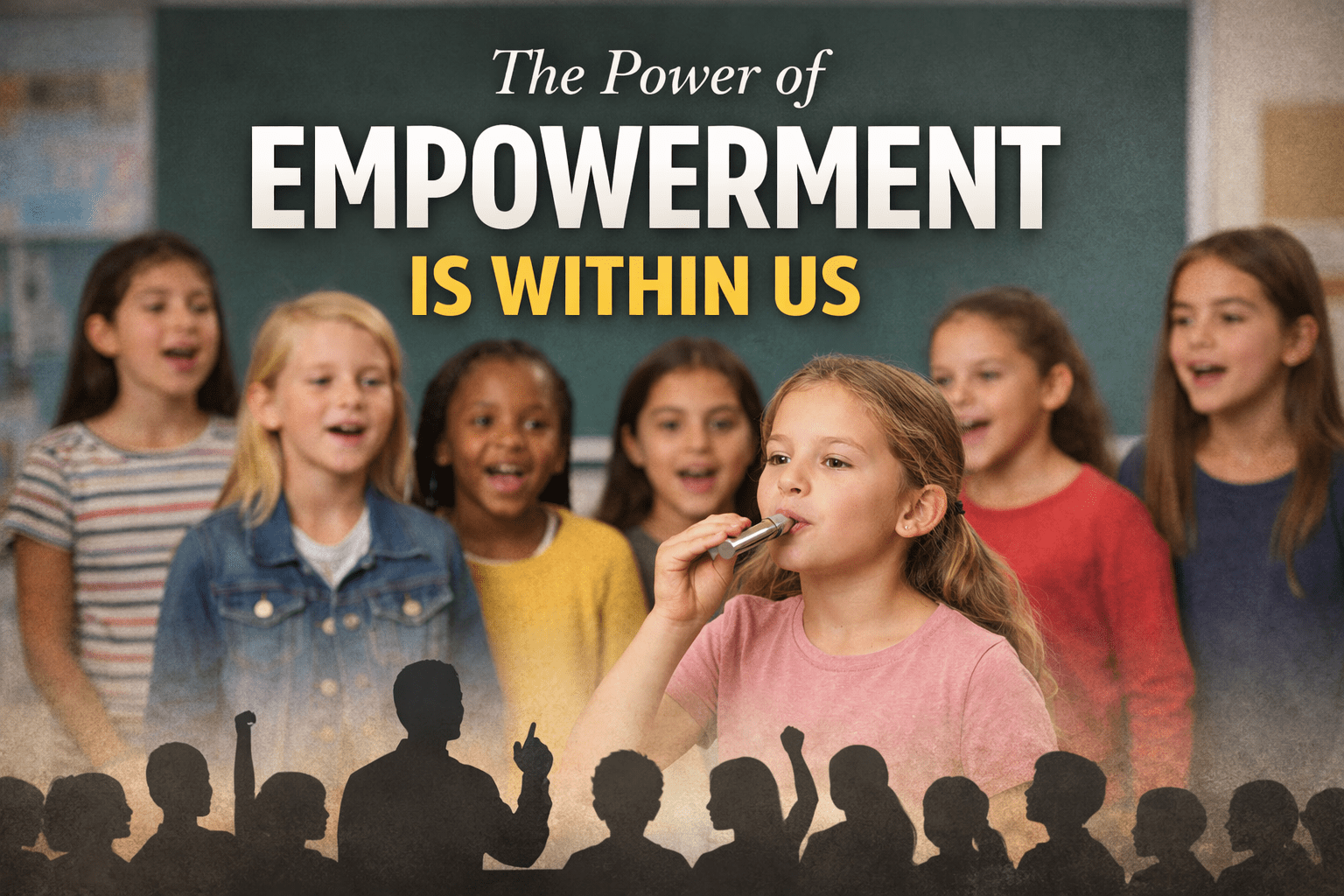
Step 4: Build Student Leadership Through Assessment and Empowerment
As culture and musicianship improve, ownership becomes the next focus.
Strong choir programs eventually shift from director-driven to student-driven.
This happens through:
-
clear assessment systems that reward growth
-
self-evaluation opportunities
-
leadership roles with real responsibility
-
peer accountability
-
student ownership of transitions and expectations
Empowerment must be structured.
Empowerment without structure creates chaos.
Structure without empowerment creates compliance.
The balance creates leadership.
The Long-Term Goal: As Students Do More, You Do Less
A sustainable choir program isn’t one where the director works harder every year.
It’s one where systems carry the weight.
When leadership increases:
-
students run sectionals
-
students manage transitions
-
students protect culture
-
students prepare independently
Over time, the program runs with momentum rather than constant force.
That is sustainable growth.
Why Order Matters in Choral Program Development
Many directors struggle because they build out of sequence.
They attempt:
-
advanced repertoire before culture
-
leadership before structure
-
literacy without buy-in
-
motivation before clarity
The sequence matters:
Vision
Culture
Skill Development
Empowerment
When layered in this order, the program strengthens.
When layered out of order, frustration compounds.
Long-Term Growth vs. Short-Term Results
What you implement today may not show results tomorrow.
Vision clarity may not change this week’s rehearsal.
Culture work may feel repetitive.
Skill development may seem slow at first.
But strong programs aren’t built by inspiration.
They’re built by infrastructure.
And infrastructure compounds.
Over time:
-
behavior stabilizes
-
students sing with more confidence
-
musicianship becomes independent
-
leadership becomes natural
-
director stress decreases
That is the real measure of success.



Leave A Comment